The Sky’s the Limit: Your Ultimate Guide to October 2026’s Cosmic Spectacles
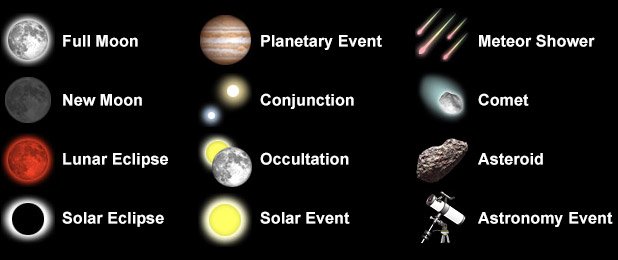
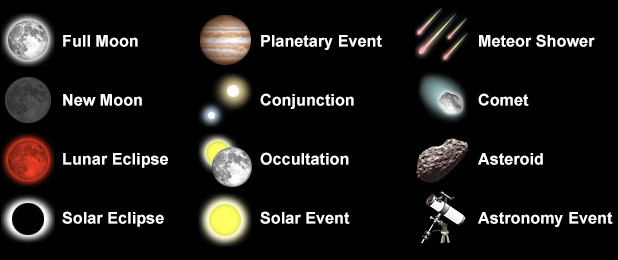
Forget the pumpkin spice and spooky decorations for a minute. We’re talking about something way more out there. October 2026 is lining up to be a seriously awesome month for anyone who ever looked up and wondered. We’re talking celestial events that’ll make you feel small in the best way possible. Think meteor showers, planets doing their thing, and maybe even a chance to spot something truly wild.
Source : seasky.org
It’s not every day you get a front-row seat to the universe showing off. But this October? It’s game on. We’re going to dig into what’s happening, when to look, and why you should absolutely care. This isn’t just about dusty textbooks; it’s about experiencing the cosmos firsthand. So grab your binoculars, maybe a comfy blanket, and let’s dive headfirst into the astronomical wonders awaiting us.
Mark Your Calendars: The Big October 2026 Lineup
So, what’s actually going down in the October 2026 sky? It’s a pretty packed month, not goa lie. We’ve got stuff happening that’ll appeal to both the casual stargazer and the seasoned astronomer. It’s all about catching those fleeting moments of cosmic magic.
October’s Meteor Showers: More Than Just Shooting Stars
Let’s start with the fireworks. Meteor showers. October 2026 brings us the Orionids meteor shower. This one’s always a crowd-pleaser, and for good reason. It’s basically Earth zooming through the dusty debris left behind by none other than Halley’s Comet. Yeah, that Halley’s Comet. Imagine dust from a legendary comet raining down on us! How cool is that?
The peak for the Orionids is usually around October 21st or 22nd. You’re looking for those streaks of light zipping across the sky. Now, the trick with meteor showers? The moon. If the moon is too bright, it washes out the fainter meteors. But the good news is, for the Orionids in 2026, the moon phase should be pretty favorable. That means darker skies, and more meteors making an appearance. Aim for after midnight for the best show. You might see anywhere from 10 to 20 meteors per hour if conditions are right. Definitely worth staying up for. You can check out more details on celestial events at The Planetary Society’s 2026 calendar.
And it’s not just the Orionids. Depending on the exact year and your location, you might catch some lingering activity from other, less famous showers. It’s always worth checking a local astronomy guide. But the Orionids? That’s the main event for October’s meteoric display. Remember to get away from city lights if you can. The darker the sky, the more you’ll see. Trust me on this one.
Planetary Playtime: Giants and Wanderers in the Night
Source : highpointscientific.com
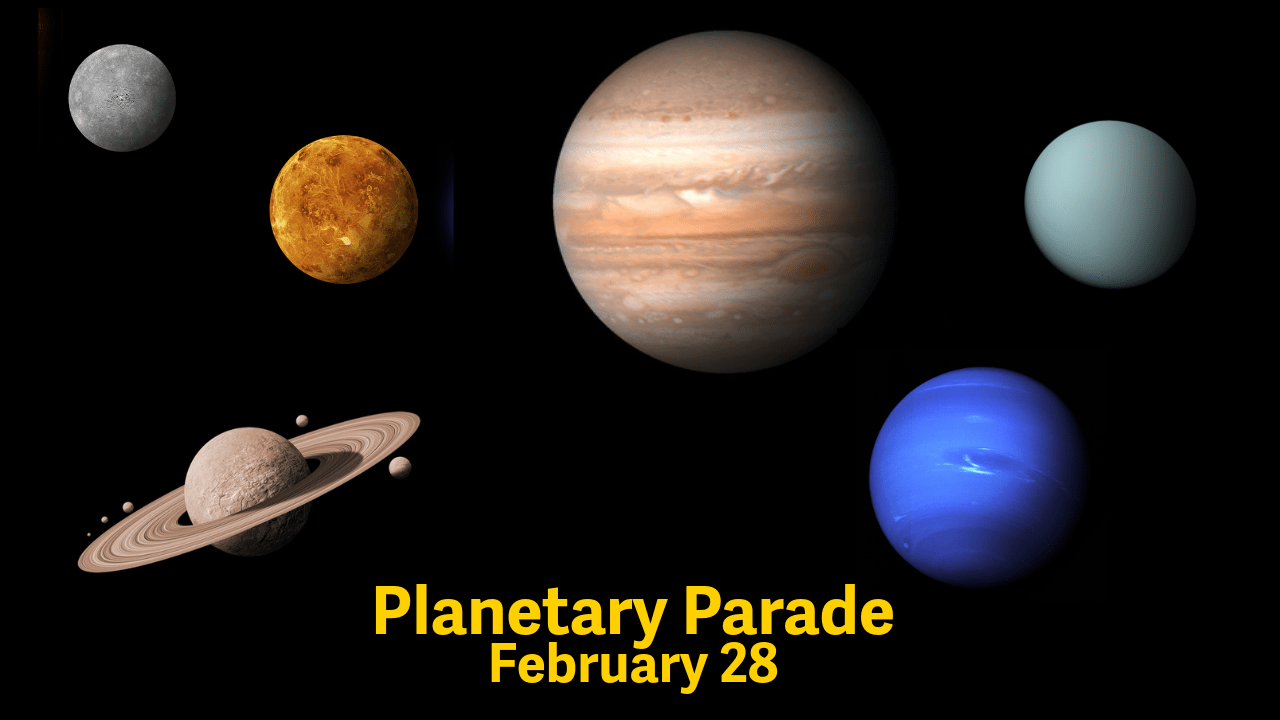
The planets don’t just sit still, you know. They’re constantly moving, shifting positions, and sometimes, they put on quite a show relative to each other or to familiar stars. October 2026 is no different.
One of the key players you’ll want to keep an eye on is Mars. This fiery red planet often makes for a striking sight. Throughout October 2026, Mars will be making its way through the constellation Pisces. It’s not exactly a once-in-a-lifetime event, but Mars is always fascinating. Its distinctive reddish hue makes it easy to spot once you know what you’re looking for. It won’t be at its closest opposition, but it’ll still be bright enough to be a noticeable celestial body.
Then there’s Jupiter. Jupiter is a king in our solar system, and seeing it through a decent telescope is mind-blowing. In October 2026, Jupiter will be well-placed for evening viewing. It’s moving through the constellation Gemini. You might even be able to spot its four largest moons – Io, Europa, Ganymede, and Callisto – with just a good pair of binoculars. These little dots dancing around the giant planet are a constant reminder of the complex dance happening in our cosmic backyard. Seeing Jupiter’s moons is a classic stargazing experience for a reason.
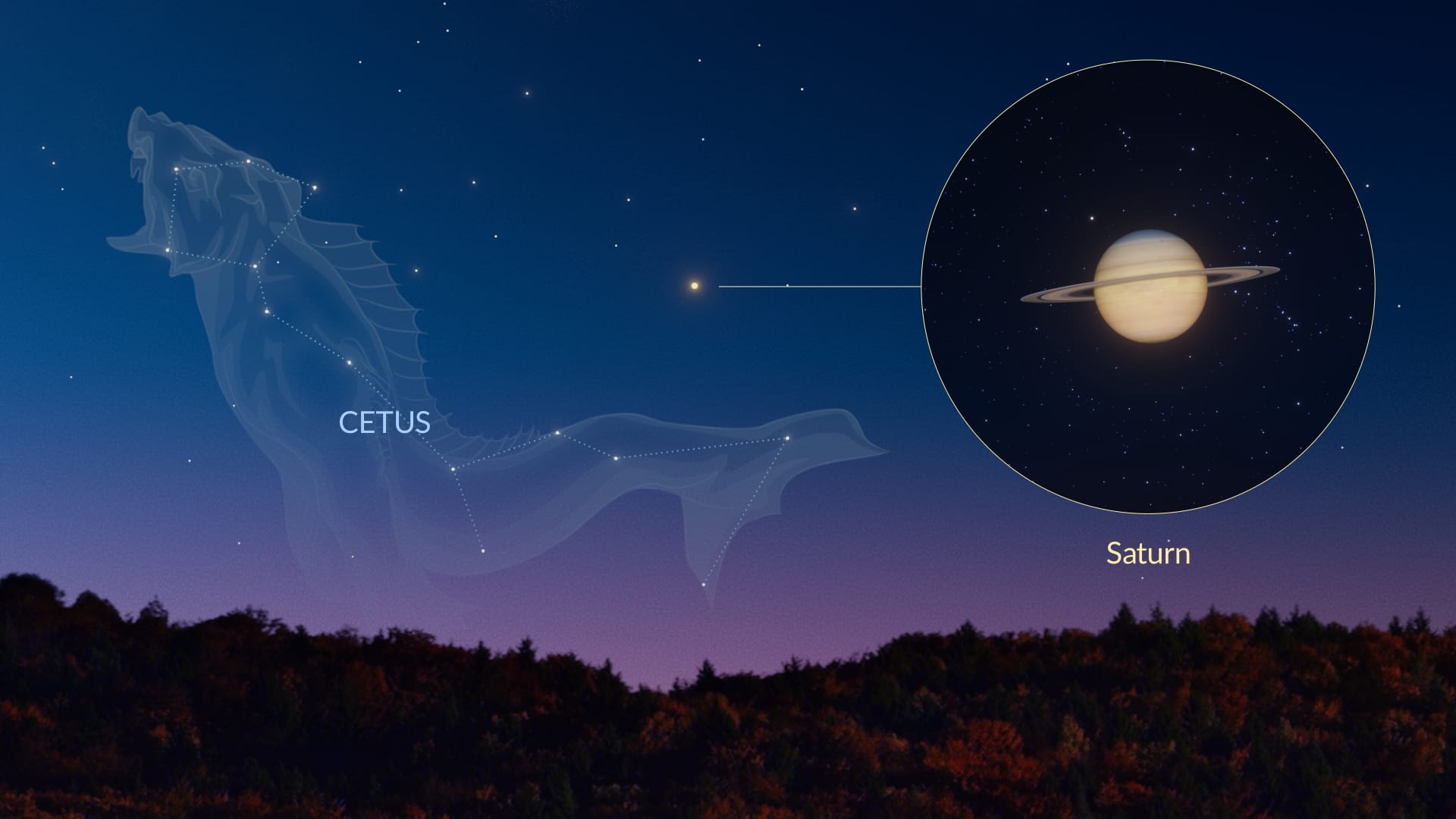
Don’t forget about Saturn. The ringed jewel will also be visible. While it won’t be at its absolute brightest, it’s still a spectacular target. Saturn will be in the constellation Aquarius. If you have a telescope, even a modest one, you’ll be able to make out its magnificent rings. It’s one of those sights that never gets old. Honestly, just seeing Saturn’s rings for the first time is a moment you won’t forget. It’s a true celestial marvel.
And what about the outer planets, Uranus and Neptune? They’re much fainter and require telescopes for viewing, but they’re still out there, doing their thing. Uranus will be in Aries, and Neptune will be in Aquarius. They’re harder to spot, sure, but knowing they’re visible adds another layer to your celestial exploration. It’s like a treasure hunt in the night sky. You can get a comprehensive overview of the year’s events, including planetary movements, on NASA’s site: NASA’s Watch the Skies.
Constellations: Familiar Friends and Hidden Gems
October is a fantastic month for constellation spotting. As the seasons change, so does our view of the night sky. The summer constellations are starting to dip below the horizon in the west, and the winter ones are begiing to rise in the east.
In the October 2026 sky, you’ll want to look for Pegasus, the Winged Horse. It’s high in the southern sky after sunset and is characterized by a large, easily recognizable square of stars known as the Great Square of Pegasus. This is a key landmark for navigating the autumn sky. Find that square, and you’re well on your way to identifying other celestial objects.
Nearby, you’ll find Andromeda. This constellation is famous for containing the Andromeda Galaxy (M31). Now, M31 is the closest spiral galaxy to our own Milky Way, and it’s visible to the naked eye under dark skies. It looks like a faint, fuzzy patch. Seeing another galaxy with your own eyes? That’s pretty profound stuff. It’s over 2.5 million light-years away! Makes you think, doesn’t it?
Don’t forget about Cassiopeia, the Queen. It’s shaped like a distinctive ‘W’ or ‘M’ (depending on its orientation) and is circumpolar for many northern hemisphere observers, meaning it never sets. It’s a great constellation to find anytime, but especially prominent in the autumn. Its shape is so unique; it’s hard to mistake once you spot it. Cassiopeia is a reliable guidepost in the northern sky.
Other constellations to seek out include Perseus, located near Cassiopeia, and the bright star Capella in Auriga, which will be rising in the northeast. Each constellation tells a story, a piece of ancient mythology mapped onto the stars. It’s like a giant celestial storybook waiting to be read.
What About the Moon? Phases and Positions
The Moon, our closest celestial neighbor, always plays a starring role. Its phases dictate how much of the night sky is illuminated, affecting meteor shower visibility and making it a subject of interest in its own right.
In October 2026, the Moon will start out waning after the full moon in late September. We’ll have a First Quarter Moon around October 7th. This phase is great for observing lunar features along the terminator – the line between day and night on the Moon. The shadows cast by mountains and craters make them stand out dramatically. You can see some incredible detail with even a small telescope.
Source : nasa.gov
Later in the month, we’ll approach the New Moon phase around October 21st. This is prime time for stargazing! A New Moon means the Moon is essentially invisible because its illuminated side is facing away from Earth. This provides the darkest skies possible, perfect for catching those faint meteors from the Orionids or spotting distant galaxies like Andromeda. It’s the universe’s way of giving us a dark canvas.
Following the New Moon, we’ll move towards the Full Moon in early November. The October Full Moon is often called the Hunter’s Moon or the Blood Moon, historically linked to hunting seasons and changing weather. While the official full moon might technically fall just after October ends, the Moon will be nearly full for the last week of the month, providing some ambient light. Knowing the moon phases is key to plaing your observing sessions.
Beyond the Naked Eye: Deep Sky Objects
If you’ve got a telescope, or even good binoculars and a dark sky site, October 2026 offers plenty of deep-sky treats.
We already mentioned the Andromeda Galaxy (M31). It’s a must-see. But don’t stop there. Within the constellation Andromeda, you can also find the Triangulum Galaxy (M33). It’s fainter and more challenging than M31, appearing as a faint smudge, but it’s another galaxy within our Local Group. Spotting M33 is a real feather in your cap.
In the constellation Perseus, look for the Double Cluster (NGC 869 and NGC 884). These are two stuing open star clusters that lie side-by-side. They look like glittering handfuls of diamonds scattered against the black velvet of space. They’re incredibly photogenic if you’re into astrophotography.
And don’t forget about nebulae! While the Orion Nebula (M42) is more of a winter object, you can still find other interesting objects. Consider the Caldwell 49 (NGC 7023), the Iris Nebula, located in Cepheus. It’s a reflection nebula that glows with a beautiful blueish hue. It’s a bit of a fainter target, requiring patience and good conditions, but incredibly rewarding.
For those with more powerful telescopes, exploring globular clusters like M15 in Pegasus or M2 in Aquarius can be incredibly rewarding. These ancient balls of stars offer a glimpse into the distant past of our galaxy. They are densely packed collections of hundreds of thousands, even millions, of stars.
Plaing Your October 2026 Stargazing Adventure
Okay, so you’re hyped. You want to see this stuff. How do you actually make it happen?
First, check the weather. Clouds are the ultimate buzzkill for any astronomical event. A clear forecast is your best friend. Look for apps or websites that give you hourly cloud cover predictions. Sometimes, a short drive to a less cloudy area can make all the difference.
Second, find a dark sky location. Light pollution from cities is a major enemy of stargazing. Use a light pollution map online to find spots with the darkest skies near you. State parks, rural areas, or even just heading a few towns away from a major city can significantly improve your view. The less artificial light, the better.
Third, know what you’re looking for. Download a stargazing app for your smartphone (like SkyView, Star Walk, or Stellarium) or print out a star chart for October. These tools will help you identify constellations, planets, and other objects. They often have augmented reality features that make it super easy to point your phone at the sky and see what you’re looking at.
Fourth, give your eyes time to adjust. It takes about 20-30 minutes for your eyes to become fully dark-adapted. Avoid looking at bright lights, including your phone screen (use a red-light mode if possible), while observing. This allows you to see fainter objects more clearly. Patience is key here.
Source : starwalk.space
Fifth, dress warmly. Evenings in October can get surprisingly chilly, especially if you’re out in an open field or a park. Layers are your friend. Bring a hat, gloves, and maybe even a thermos of hot chocolate. Comfort equals more observing time.
Finally, consider the timing. For meteor showers like the Orionids, the best viewing is typically after midnight when the radiant (the point in the sky where the meteors seem to originate) is higher. For planets, check their position in the sky for optimal viewing times. Resources like In-The-Sky.org can provide precise timings and sky charts for your location.
October 2026: A Recap and What to Expect
So, to wrap it up, October 2026 is shaping up to be a baer month for sky watchers. You’ve got the Orionid meteor shower giving you a cosmic light show thanks to Halley’s Comet. You’ve got planets like Mars, Jupiter, and Saturn putting on a display in the evening sky. The constellations are shifting into their autumn patterns, offering familiar friends like Pegasus and Andromeda, with the chance to see another galaxy.
The Moon phases are cooperating, offering dark skies around the New Moon for optimal viewing of fainter celestial objects. And for those with equipment, deep-sky wonders like the Double Cluster and the Andromeda Galaxy await. It’s a whole universe out there, just waiting for you to notice.
Don’t just take my word for it. Check out comprehensive lists and resources. The folks at The Planetary Society have a great overview of what to expect throughout 2026. NASA also highlights key events, so you can plan your year around them. It’s a fantastic year for astronomy, and October is really bringing the heat (or should I say, the starlight?).
Whether you’re an experienced astronomer or just someone who occasionally gazes at the stars, October 2026 offers something special. Get out there, look up, and be amazed. The universe doesn’t perform every night, but when it does, it’s a show you won’t want to miss. It’s about coecting with something bigger than ourselves, and honestly, that’s pretty priceless.
Frequently Asked Questions About October 2026 Space Events
What space event will happen in October?
October 2026 is packed! The main event is the Orionid meteor shower, peaking around the 21st-22nd, which comes from debris left by Halley’s Comet. You’ll also see planets like Mars, Jupiter, and Saturn visible in the night sky, along with constellations like Pegasus and Andromeda shifting into prominence. Plus, the New Moon phase near the end of the month offers dark skies perfect for stargazing.
Will there be any eclipses in October 2026?
Nope, no solar or lunar eclipses are scheduled for October 2026. The big eclipse action for 2026 happens earlier in the year. So, you don’t need to worry about those messing with your meteor shower viewing! Focus on the Orionids and those wandering planets.
When is the best time to see the Orionid meteor shower in 2026?
The Orionids usually peak around October 21st and 22nd. For the best viewing, you’ll want to head outside after midnight. That’s when the shower’s radiant point in the sky is highest, giving you the best chance to see the most meteors. Dark skies are crucial!
Can I see galaxies in October 2026?
Absolutely! If you’re in a location with minimal light pollution and have a telescope (or even good binoculars and a very dark sky), you can definitely spot galaxies. The Andromeda Galaxy (M31) is the closest spiral galaxy to ours and is visible to the naked eye as a faint smudge. With a telescope, you can also target the fainter Triangulum Galaxy (M33) or star clusters like the Double Cluster in Perseus.
What constellations are best to see in October 2026?
October is prime time for autumn constellations! Look for the big square of Pegasus high in the sky. You’ll also find Andromeda nearby, which hosts the Andromeda Galaxy. Don’t forget the ‘W’ or ‘M’ shape of Cassiopeia, the Queen, prominent in the northern sky. These are great markers for navigating the fall celestial sphere.

Stephens is the Lead Editor at CalendarAndFest.com. With over a decade of experience researching global cultural traditions and chronological systems, he specializes in creating accurate, comprehensive guides for international holidays and strategic planning calendars. Stephens work focuses on the intersection of cultural history and modern time management.