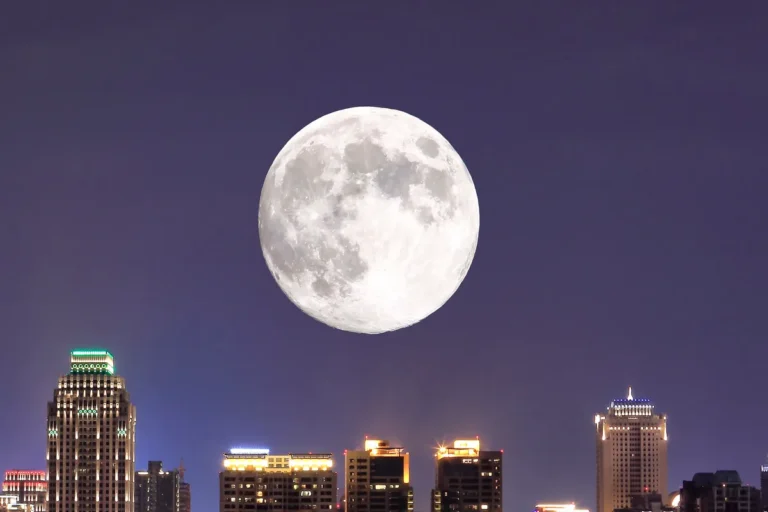
Shooting the November Full Moon: Get Those Perfect Shots in 2026
Okay, so November rolls around, and bam! You’ve got a giant, glowing orb hanging in the sky. The November full moon, often called the Beaver Moon, is a stuer. And you want to capture it, right? Forget blurry blobs and blown-out skies. We’re talking about crisp, detailed lunar portraits that’ll make your Instagram feed pop. This isn’t rocket science, but it does take a bit more than just pointing your phone and hitting the shutter. Let’s dig into how you nail those photography settings for full moon.

Source : store.bandccamera.com
First off, what makes this November moon special? Historically, it’s the last full moon before winter truly sets in, signaling a time when beavers were busy building dams, hence the name. But for us photographers? It’s simply a magnificent celestial event begging to be photographed. Imagine a moon so bright it casts shadows, framed against a deep, velvety night sky. That’s the goal. And it’s totally achievable with the right gear and know-how. You ready?
Gear Up: What You Actually Need
You don’t need a NASA-level telescope (though, hey, if you’ve got one, go for it!). A decent DSLR or mirrorless camera is your best bet. Why? Because you need manual control. Your phone’s auto mode just won’t cut it for this kind of shot. Think of it like trying to paint a masterpiece with a crayon – it’s just not the right tool. You’ll also want a telephoto lens. The longer, the better. Something with at least 200mm, ideally 300mm or more, will let you get close enough to see craters, not just a distant pearl. A sturdy tripod is non-negotiable. Seriously. Forget handheld shots; the moon is far, and you need stability. Long exposures are your friend here, and a tripod keeps everything sharp.
And a remote shutter release or using your camera’s self-timer? Essential. Touching the camera to take the shot can introduce shake, ruining your crisp image. So, camera with manual controls, a telephoto lens, a solid tripod, and a way to trigger the shutter without touching the camera. That’s your core kit. Simple, right? Don’t overthink it. Most of you probably have most of this already.
Manual Mode is Your New Best Friend
Alright, let’s talk settings. The cardinal rule: shoot in Manual mode. Auto mode will try to expose for the entire sky, making the moon a blown-out white circle. You want the moon itself to look good, not the void around it. So, M it is. Your camera needs to know exactly what you want, no guessing. This is where the magic happens, or doesn’t, depending on your input. Get this right, and you’re halfway there.

Source : digital-photography-school.com
Think of your camera like a painter. Manual mode gives you the brush, the palette, and full control. Auto mode just hands you a pre-mixed blob and says, ‘Here.’ Not exactly artistic freedom, is it? For the November 2026 full moon, this control is key to capturing its texture and detail.
Aperture: The Sweet Spot
For sharpness, you generally want to avoid shooting wide open (like f/1.8 or f/2.8) if your lens isn’t tack sharp there. On the flip side, stopping down too much (like f/16 or f/22) can lead to diffraction, making your image softer. The sweet spot for most lenses is usually between f/8 and f/11. This range typically offers the best combination of sharpness and depth of field. So, set your aperture to f/8 or f/11. This is a solid starting point for getting those crisp lunar features.
Why f/8? It’s like finding that perfect balance point. Too wide, and your edges might get soft. Too narrow, and light starts to bend around the lens edges, making things fuzzy. f/8 just hits that sweet spot where your lens is usually performing at its best. It’s a reliable aperture for moon shots.
ISO: Keep it Low and Steady
Noise. The enemy of a clean, detailed moon shot. To keep noise to a minimum, you want your ISO set as low as possible. For most modern cameras, this means setting it to ISO 100 or 200. You’re not shooting in a dark alley here; the moon is incredibly bright. You don’t need to crank up the sensitivity. Lower ISO means cleaner images, period. It’s that simple. Cleaner pics, happier you.
Think of ISO as artificially brightening your sensor. You can do it, but it often adds a grainy texture. Since the moon is already a giant spotlight, we don’t need to boost the brightness artificially. Keeping the ISO low means you’re capturing the natural light, resulting in a much smoother and more detailed final image. Less grain, more glory.
Shutter Speed: The Balancing Act
This is where things get really specific, and it depends heavily on your focal length and ambient light. For a large moon filling the frame, you’re typically looking at a relatively fast shutter speed. A good starting point is often around 1/60th to 1/250th of a second. But here’s the kicker: you MUST check your histogram and take test shots. If your moon looks like a ghost, your shutter speed is too slow (or aperture too wide, or ISO too high). If it’s a white blob, it’s too fast (or settings are wrong). It’s a fine-tuning game. You’ll likely find yourself tweaking this setting the most.
This shutter speed setting is crucial. It dictates how long the sensor is exposed to light. Too long, and the bright moon gets overexposed. Too short, and it might be underexposed. It’s all about finding that perfect moment of capture. Remember, the moon is moving, so you can’t leave the shutter open forever anyway. A fast shutter speed prevents overexposure.
Focusing: Nail It Every Time

Source : digital-photography-school.com
Autofocus is often useless for moon shots. It’ll hunt back and forth, never locking onto that distant, bright disc. So, manual focus is your only friend here. The easiest way? Switch to Manual Focus (MF) on your lens. Then, zoom in on the moon on your camera’s LCD screen as much as possible. Turn the focus ring slowly until the edges of the moon are as sharp and crisp as you can get them. Seriously, zoom in. Like, really zoom in. You can also try focusing on a distant bright object during the day (like a street light) and then taping your focus ring so it doesn’t move.
Autofocus systems get confused by the moon’s brightness. They’re designed for subjects with contrast and detail that they can easily lock onto. The moon, while visually stuing, can be a bright, featureless ball to a camera’s AF. Manual focus lets you be the brain, telling the camera exactly where the sharpest point is. Getting sharp focus is paramount.
White Balance: Setting the Mood
What color do you want your moon? Auto white balance can sometimes give it a weird blue or yellow tint. For a natural look, try setting your white balance to Daylight or Suy (around 5500K). Or, shoot in RAW format (which you should be doing anyway!) and adjust the white balance later in post-processing. This gives you the most flexibility. Don’t let the camera decide the color of your celestial subject.
RAW is your safety net. It captures all the data your sensor can see, giving you room to tweak things like white balance without losing quality. It’s like having a digital negative. This white balance choice impacts the final mood.
RAW vs. JPEG: The Big Decision
If you’re serious about getting the best possible image, shoot in RAW. Always. JPEGs are processed in-camera, compressed, and discard a lot of image data. RAW files are the unadulterated sensor data. They’re larger, yes, but they give you so much more latitude in editing. You can recover highlights, push shadows, and adjust white balance far more effectively. Think of RAW as the ingredients for a gourmet meal, and JPEG as a TV dier. You want the gourmet meal for your moon shots.
Why is RAW so important for moon photography? Because the dynamic range (the difference between the brightest and darkest parts) of a moonlit scene can be tricky. RAW lets you retain detail in both the bright moon and potentially a darker foreground if you’re including one. It’s the professional standard for a reason.
Plaing Your Shot: Location, Location, Location
Shooting the moon isn’t just about settings; it’s about plaing. Use apps like PhotoPills or The Photographer’s Ephemeris to see exactly where the moon will rise and set, its path across the sky, and when it will be at its highest point. This helps you find interesting foreground elements to include, giving your photo context and scale. A moon floating in a black void is okay, but a moon rising over a mountain range or framed by trees? That’s a breathtaking photograph.
Scout your location beforehand if possible. Think about what the light will be like. Will there be city lights in the distance? Will there be power lines ruining your shot? Plaing ensures you’re not just reacting to the moon’s appearance but actively composing a compelling image. Find a clear vantage point.
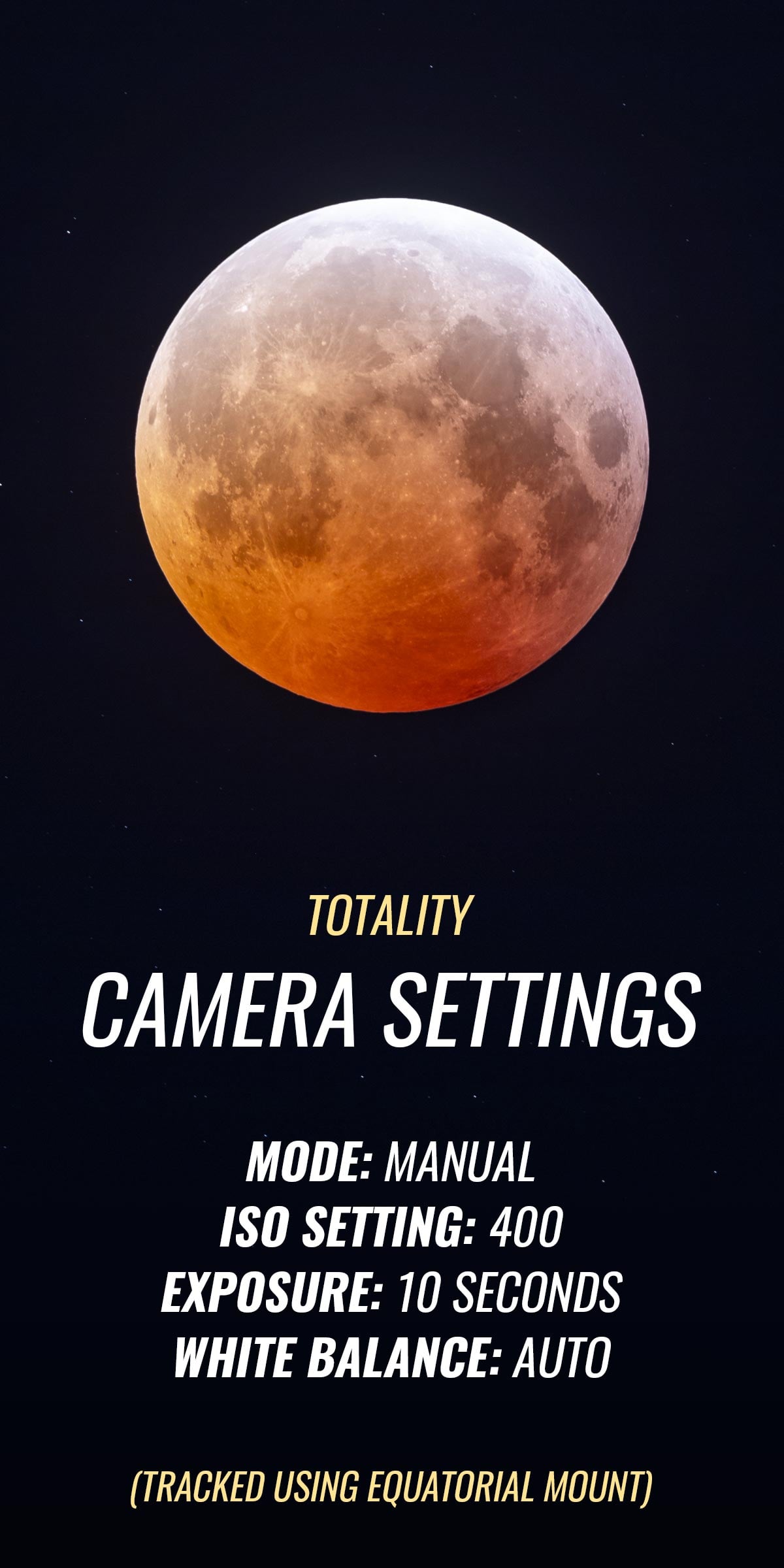
Source : astrobackyard.com
Common Mistakes to Avoid
We’ve all done it. The blown-out white circle. The blurry mess. The noisy disaster. Let’s break down the most common pitfalls. First, not using a tripod. Handholding at 300mm? Forget about it unless you’ve got the steadiest hands on Earth, and even then, good luck. Second, relying on autofocus. As we discussed, it’s a no-go for sharp focus. Third, shooting in Auto mode. Your camera is not your friend here; it’s actively working against you. Fourth, not checking the histogram. That little graph is your best friend for ensuring you haven’t clipped your highlights or crushed your shadows.
Another big one? Not understanding the moon’s brightness. It’s not a dimly lit object; it’s a giant reflector of sunlight. Treat it like you would a daytime subject, but with a telephoto lens and a tripod. Avoid settings that would work for a landscape at night. This means avoiding high ISO and overly long exposures unless you’re going for a specific star trail effect around the moon (which is a whole different beast).
Post-Processing: Bringing Out the Detail
Once you’ve got your RAW files, the real fun begins. Open them up in your favorite editing software (Lightroom, Capture One, etc.). Start with basic adjustments: exposure, contrast, highlights, shadows. You’ll likely need to bring down the highlights slightly to recover detail in the brightest parts of the moon. Boost the shadows a bit if you’re including foreground detail. Sharpening is also key here; carefully apply sharpening to bring out the crater details. Don’t overdo it, though – you want realism, not a crunchy mess. Experimentation is key. This is where you really refine your moon image.
Adjusting clarity and dehaze sliders can also help make the moon’s surface features pop. But again, subtlety is your friend. The goal is to enhance the natural beauty of the moon, not to create a cartoon. You can also adjust the white balance here if you shot in RAW, playing with different color casts to see what looks best. It’s all about bringing out the best of the captured lunar data.
Specific Settings for November 2026 Full Moon (Recap)
Okay, let’s nail this down for the November 2026 full moon. This is your cheat sheet:
- Mode: Manual (M)
- Focal Length: Long telephoto (300mm+)
- Aperture: f/8 – f/11
- ISO: 100 – 200
- Shutter Speed: 1/60s – 1/250s (Adjust based on histogram!)
- Focus: Manual Focus (MF), zoom in on LCD
- White Balance: Daylight or adjust in post
- File Format: RAW
- Other Gear: Sturdy tripod, remote shutter release/timer
These are starting points, remember. The actual sky conditions, your specific camera and lens combo, and even the time of night will influence the perfect settings. Always take test shots and review your histogram. It’s your foolproof guide to proper exposure. This isn’t a rigid formula, but a solid set of guidelines to get you started.
The key takeaway? Practice. The more you shoot, the more intuitive these settings become. You’ll start to develop a feel for what works. And don’t be discouraged if your first few attempts aren’t perfect. Even the pros experiment. Capturing the lunar spectacle takes patience and persistence. But when you get that shot? Totally worth it.
FAQs
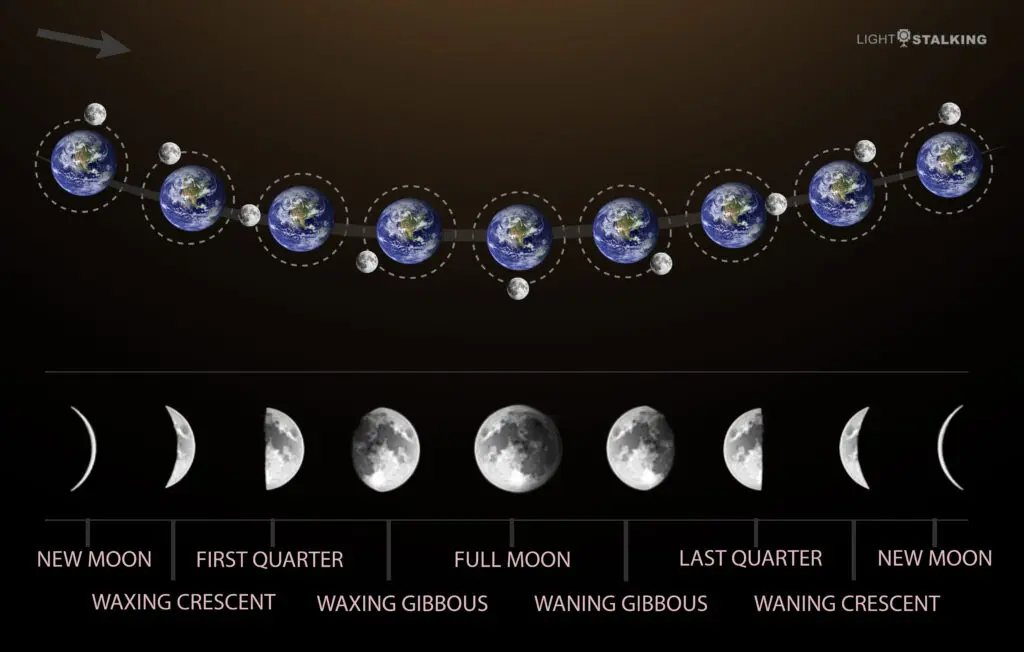
Source : lightstalking.com
Can I photograph the full moon with my smartphone?
Yes, but it’s tough to get detail. Most phones will just capture a bright dot. If yours has a good optical zoom and manual controls (some do!), you might get a decent shot, especially if you use a tripod and a remote shutter app. But for that crisp, cratered look? A dedicated camera is king. It’s like comparing a sketch to a detailed painting; both can be art, but they’re different. For detailed moon shots, a camera is better.
Do I need a special lens for moon photography?
You need a telephoto lens. The longer, the better. Standard kit lenses (like 18-55mm) won’t get you nearly close enough to see any detail. Think 200mm minimum, ideally 300mm, 400mm, or even longer. Prime lenses can be sharper, but a good zoom lens works great too. It’s all about magnification.
What’s the best time to shoot the full moon?
The best time to shoot is often during moonrise or moonset. Why? Because when the moon is near the horizon, the atmosphere acts like a giant filter, scattering light and making the moon appear larger and more colorful (think oranges and reds). Plus, you can include foreground elements like trees or buildings for scale. When it’s high in the sky, it looks smaller and more distant, and the contrast with the black sky is less dramatic.
How do I avoid a blurry moon shot?
Three main things: 1) Use a sturdy tripod. No exceptions. 2) Use manual focus and zoom in on your LCD to ensure critical sharpness. Autofocus will fail you. 3) Use a remote shutter release or your camera’s self-timer to avoid camera shake when you press the button. These steps drastically reduce blur and increase your chances of a sharp image.
Should I shoot the moon in RAW or JPEG?
Always, always, always shoot in RAW. I can’t stress this enough. JPEGs are compressed and lose a ton of image data. RAW files give you maximum flexibility in post-processing to adjust exposure, white balance, highlights, and shadows without degrading the image quality. It’s the difference between having a rough draft and a finished novel. RAW is your editing superpower.
Frequently Asked Questions
-
Can I photograph the full moon with my smartphone?
Yes, but it’s tough to get detail. Most phones will just capture a bright dot. If yours has a good optical zoom and manual controls (some do!), you might get a decent shot, especially if you use a tripod and a remote shutter app. But for that crisp, cratered look? A dedicated camera is king. It’s like comparing a sketch to a detailed painting; both can be art, but they’re different. For detailed moon shots, a camera is better.
-
Do I need a special lens for moon photography?
You need a telephoto lens. The longer, the better. Standard kit lenses (like 18-55mm) won’t get you nearly close enough to see any detail. Think 200mm minimum, ideally 300mm, 400mm, or even longer. Prime lenses can be sharper, but a good zoom lens works great too. It’s all about magnification.
-
What's the best time to shoot the full moon?
The best time to shoot is often during moonrise or moonset. Why? Because when the moon is near the horizon, the atmosphere acts like a giant filter, scattering light and making the moon appear larger and more colorful (think oranges and reds). Plus, you can include foreground elements like trees or buildings for scale. When it’s high in the sky, it looks smaller and more distant, and the contrast with the black sky is less dramatic.
-
How do I avoid a blurry moon shot?
Three main things: 1) Use a sturdy tripod. No exceptions. 2) Use manual focus and zoom in on your LCD to ensure critical sharpness. Autofocus will fail you. 3) Use a remote shutter release or your camera’s self-timer to avoid camera shake when you press the button. These steps drastically reduce blur and increase your chances of a sharp image.
-
Should I shoot the moon in RAW or JPEG?
Always, always, always shoot in RAW. I can’t stress this enough. JPEGs are compressed and lose a ton of image data. RAW files give you maximum flexibility in post-processing to adjust exposure, white balance, highlights, and shadows without degrading the image quality. It’s the difference between having a rough draft and a finished novel. RAW is your editing superpower.

Stephens is the Lead Editor at CalendarAndFest.com. With over a decade of experience researching global cultural traditions and chronological systems, he specializes in creating accurate, comprehensive guides for international holidays and strategic planning calendars. Stephens work focuses on the intersection of cultural history and modern time management.