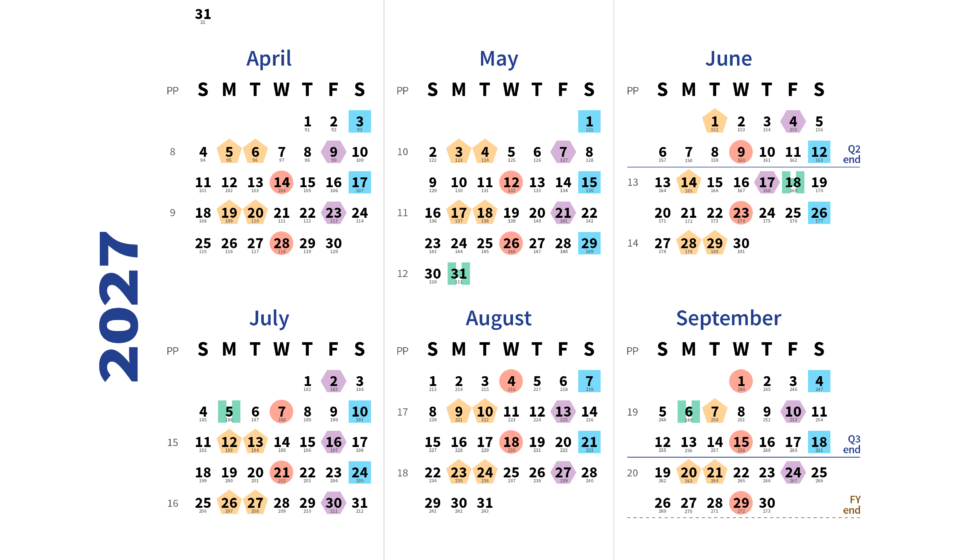
Ever found yourself wondering when exactly your next paycheck lands? Well, you’re not alone. The Pay Period Calendar 2027 is a crucial tool for anyone who wants to keep their finances in check, whether you’re an employer planning payroll or an employee eagerly awaiting payday. 🚀 Let’s jump right into the nitty-gritty of how these pay periods are set up for 2027, ensuring you never miss a beat in your money flow.
- Pay periods can be weekly, bi-weekly, semi-monthly, or monthly.
- Federal payroll calendars influence many employers’ scheduling.
- Public and bank holidays may alter actual paydays.
- Understanding pay schedules can help with budgeting effectively.
Understanding the Basics of Pay Periods
First off, what exactly is a pay period? It’s the amount of time an employer pays employees for work done — typically a week, two weeks, half a month, or a month. In 2027, many organizations will choose from these common cycles, with bi-weekly (every two weeks) and semi-monthly (twice a month) being favorites in the US.
Each pay period has a designated end date, followed by a processing window for payroll calculations, and then the actual payday. 🕒 Knowing this sequence can save you from financial headaches.
2027 Pay Period Calendar Overview
For 2027, paydays fluctuate based on the company’s chosen cycle and consideration of weekends or federal holidays. For example, if a payday falls on a weekend or holiday, many employers choose to pay on the preceding business day.
Here’s a glance at common pay periods for 2027:
- Weekly: Every Friday or designated weekday.
- Bi-Weekly: Every other Friday, amounts to 26 paychecks annually.
- Semi-Monthly: Typically 15th and last day of the month.
- Monthly: Usually the last business day of the month.
Employers and employees benefit hugely by marking these dates clearly. And remember, these periods aren’t just reminders—they’re essential for calculating taxes, benefits, and withholding.
How Federal Holidays Affect Paydays in 2027
Let’s face it — holidays mess with regular schedules. In 2027, holidays such as New Year’s Day, Memorial Day, Independence Day, Labor Day, Thanksgiving, and Christmas can bump payday to a day earlier. Employers need to plan ahead for these adjustments to ensure no one faces a dry spell.
A practical tip: Sync your payroll system with the federal holidays calendar. It avoids the chaos of last-minute paycheck scrambling and helps payroll departments stay in sync.
Example: Adjusting for Christmas 2027
If Christmas (a Friday) falls on December 25, an employer running a bi-weekly schedule with Friday paydays should plan to pay on Thursday, December 24, instead.
Why a Pay Period Calendar 2027 is a Must-Have for Employers
Running a business? Your payroll isn’t just about cutting checks; it’s the backbone of employee satisfaction and regulatory compliance. 🔥 A detailed Pay Period Calendar 2027 helps employers:
- Ensure timely tax filings and payments.
- Manage cash flow with predictable payroll cycles.
- Prevent payroll errors and penalties.
- Communicate clearly with employees about pay dates.
Ignoring this calendar results in confusion and costly mistakes, both legally and morale-wise.
Best Practices for Employees Using the Pay Period Calendar 2027
You might think it’s all on your company to handle payroll, but knowing your pay dates empowers you:
- Plan your budget around incoming paychecks.
- Avoid overdraft fees by scheduling bill payments post-payday.
- Prepare for taxes and other withholdings.
- Negotiate pay schedules or sync payments if you juggle multiple jobs.
Keeping a personal note or digital calendar of 2027 payday schedules isn’t just smart; it’s crucial especially for freelancers or contractors managing multiple streams of income.
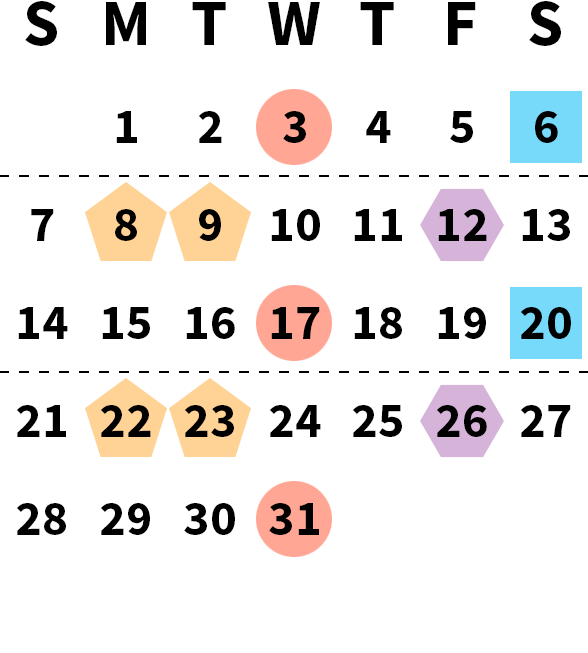
Source: www.gsa.gov
Tools and Templates for Managing Your Pay Period Calendar 2027
If spreadsheets aren’t your jam, don’t panic. Tons of tools can keep track of pay periods. Google Calendar, Microsoft Outlook, or payroll software like QuickBooks link directly to pay period templates created by trusted sources.
For a handy and official payroll date reference, check out the National Finance Center’s 2027 Pay Period Calendar, a gold standard choice for serious payroll professionals.
Printable Calendars and Alerts
Print out a calendar or set phone alerts a day before payday. These small touches keep you in the loop and avoid surprises.

Source: www.calendarlabs.com
Common Pay Period Strategies in 2027 and Their Implications
Not all pay period systems are created equal. Choosing the right one in 2027 involves weighing factors like work type, cash flow, and payroll complexity.
- Weekly: Pros: predictable cash for employees. Cons: higher payroll processing costs.
- Bi-Weekly: Pros: balances frequency and costs. Cons: Some months have 3 paychecks.
- Semi-Monthly: Pros: aligns with billing cycles. Cons: Paydays fall on different weekdays each cycle.
- Monthly: Pros: lowest cost. Cons: employees wait long for paychecks.
Impact of 2027 Payroll Calendar on Tax Deadlines
Payroll taxes aren’t optional. Aligning your pay periods with IRS deadlines keeps tax payments on time. Late or incorrect filings beg fines and audits.
A fantastic resource for verifying 2027 payroll dates and tax deadlines is the 2027 Payroll Calendar by Paystub Direct. It’s practical and on-point for navigating tax-related payroll hurdles.
Creating Your Own Custom Pay Period Calendar for 2027
Feeling crafty? Building your own pay period calendar is easier with these steps:

Source: www.calendarpedia.com
- Decide on the pay frequency best for your needs.
- Mark pay period start and end dates.
- Account for holidays to adjust paydays.
- Add tax and benefits deduction deadlines.
- Share the calendar with your team or financial advisors.
This DIY calendar can be tailored exactly to your payroll needs—very handy if your company is small or growing fast.
Payroll Compliance and Legal Considerations for 2027
Ignoring payroll law is a fast route to trouble. The Fair Labor Standards Act (FLSA) and state regulations dictate pay frequency and record keeping. As of 2027, most states require at least monthly payments, but many prefer bi-weekly or semi-monthly setups.
Employers must ensure their Pay Period Calendar 2027 conforms with these laws to avoid legal entanglements.
Payroll Software and Automation in 2027
Automation isn’t the future — it’s now. Payroll software in 2027 often comes with built-in pay period calendars, automatically adjusting for holidays and compliance changes. This automation cuts down errors and frees up HR for other goodies.
Top Mistakes Businesses Make with Pay Period Calendars and How to Avoid Them
Here’s a quick heads-up on common slip-ups:
- Not updating calendars for holidays — employees notice late pay quickly!
- Ignoring tax deadlines leading to penalties.
- Failing to communicate pay dates clearly to staff.
- Mixing pay schedules, causing confusion and errors.
Avoid these with a clear, consistent, and accessible Pay Period Calendar 2027.
Global Considerations: If You Work Internationally
If you juggle payroll beyond the US in 2027, remember pay periods and holiday observances vary by country. Researching local payroll laws and calendars is essential. Your US Pay Period Calendar 2027 won’t cut it alone.
Pay Period Calendar 2027 Summary Cheat Sheet
| Task | Recommended Frequency | Purpose/Benefit |
|---|---|---|
| Review pay period schedule | Annually, before new year | Ensure alignment with laws & holidays |
| Communicate with employees | Start of each year/role change | Transparency and trust |
| Adjust for holiday paydays | As holidays approach | Prevent delays |
| Reconcile payroll tax deadlines | Quarterly | Avoid fines & audits |
| Audit payroll records | Annually | Compliance & error check |
Having a well-maintained Pay Period Calendar 2027 ensures your payroll operation stays smooth and compliant throughout the year. Don’t let missed dates or surprise holidays throw your paycheck off track!
Remember, whether you’re employer or employee, embracing the Pay Period Calendar 2027 early means you’ll always know: when you work, when you get paid, and when to plan ahead. That kind of clarity? Priceless. 🚀
Frequently Asked Questions
What is a pay period?
A pay period is the recurring length of time for which employees are paid. It defines the start and end dates of job hours that will be compensated on the payday.
How often do companies pay employees in 2027?
Most companies pay employees weekly, bi-weekly, semi-monthly, or monthly. The bi-weekly schedule is the most common in the US for 2027, offering a good balance of frequency and administrative costs.
Do federal holidays affect payday in 2027?
Yes, if a scheduled payday falls on a federal holiday or weekend, companies typically pay employees on the preceding business day to ensure timely payment.
Where can I find an official 2027 pay period calendar?
Official pay period calendars like the one from the National Finance Center are available online and provide detailed schedules for payroll planning.
How can employees track their pay periods effectively?
Employees can track pay periods by using digital calendars, payroll apps, or printable pay period calendars to stay informed about upcoming paychecks and assist with budgeting.
What happens if a pay period calendar doesn’t comply with state laws?
Non-compliance can lead to penalties, fines, and legal issues for employers. It’s vital for payroll and HR to ensure pay period calendars satisfy federal and state regulations.
Can payroll be automated with the Pay Period Calendar 2027?
Absolutely. Many modern payroll systems integrate pay period calendars to automate payroll runs, tax calculations, and compliance checks, reducing errors and workload.

Stephens is the Lead Editor at CalendarAndFest.com. With over a decade of experience researching global cultural traditions and chronological systems, he specializes in creating accurate, comprehensive guides for international holidays and strategic planning calendars. Stephens work focuses on the intersection of cultural history and modern time management.