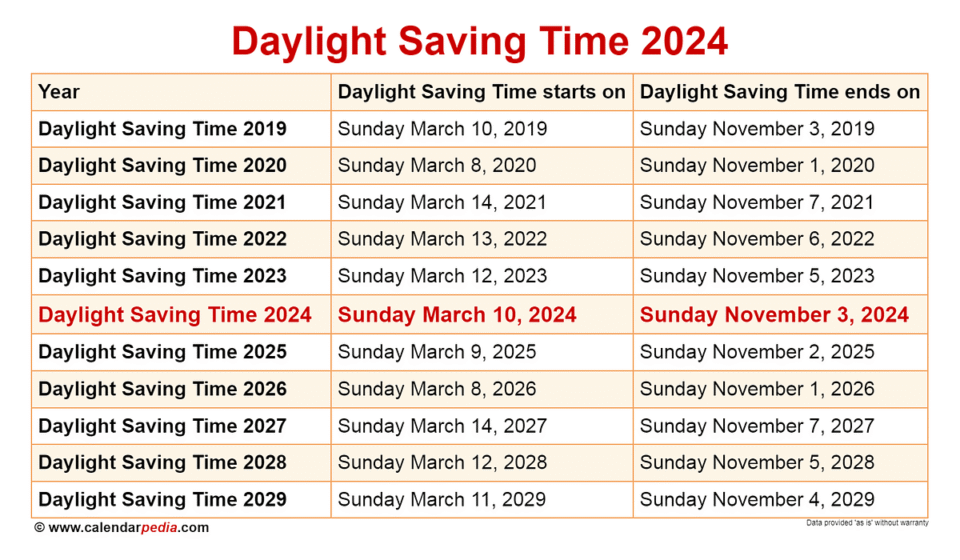
Ever caught yourself wondering exactly when does time fall back 2027? It’s a moment where clocks move one hour backward, giving us that coveted extra hour of sleep (or time to finish that last episode). But beyond just a snooze button for your body clock, this shift impacts everything from your gadget settings to your mood and daily routines.
This change means switching from Daylight Saving Time (DST) back to Standard Time. If you’re tracking dates or managing schedules involving travel or work, knowing the exact moment helps avoid confusion. Don’t forget, adjusting just before midnight might outsmart alarms gone haywire!
Why Does Time Fall Back?
The idea behind falling back is simple: revert clocks to standard time to better match daylight hours in colder months. This produces earlier sunrises and earlier sunsets. Those who hate dark mornings yet crave some evening daylight get that seasonal balance in spring when time springs forward.
Historical Crunch
Back in World War I and II, the time shift aimed to save fuel by reducing artificial light use. Over the decades, leaders worldwide tweaked the approach for energy efficiency and social benefits. Despite debates on effectiveness, the twice-yearly change remains embedded in many countries’ calendars.
When Does Time Fall Back 2027 Exactly?
Mark your calendar for Sunday, November 7, 2027. At precisely 2:00 AM, clocks will move backward to 1:00 AM. This means you technically repeat the 1 o’clock hour. Sneaky, huh? It’s the official gateway to standard time, signaling longer nights and a slower pace for many.
How This Affects Your Daily Life
- Sleep: One extra hour means a mini recovery from spring’s lost sleep.
- Health: The sudden time jump can disrupt circadian rhythms; adjusting routines helps.
- Technology: Most devices update automatically, but double-check clocks to avoid mishaps.
- Driving Safety: Increased night driving risk post-change—stay alert!
Where Does the Time Change Matter?
The 2027 fall back time affects numerous countries observing daylight saving time, mainly in North America and Europe. Countries near the equator usually don’t observe it due to insignificant seasonal daylight variation.
For detailed specifics on daylight saving time and its official timings, consult the WebExhibits Daylight Saving Time page, which offers authoritative history and facts.
Adjusting Smoothly to Time Fall Back
Shifting your clock backward can mess with your internal rhythm more than you think. Prepare by gradually adjusting bedtime, and expose yourself to natural light the following morning.

Source: www.farmersalmanac.com
- Go to bed earlier two days before.
- Limit caffeine and electronics before sleep.
- Use the extra hour for relaxing activities, not screen time.
- Maintain normal meal times to keep your body clock steady.
Impacts on Technology and Scheduling
Calendar apps, smart home systems, and international meetings depend heavily on accurate time data. Most modern devices switch automatically, but manual clocks and older gadgets require attention. For travelers and remote workers, syncing your devices pre and post November 7 is critical to avoid missed meetings or flights.
Learn more about how daylight saving impacts official timekeeping from the U.S. Naval Observatory’s FAQ for trusted info on time standards.

Source: www.almanac.com
Frequently Overlooked Effects
Beyond just sleep and schedules, the fall back impacts energy use patterns, business hours, and even mood cycles. Some studies suggest a slight uptick in accidents immediately after the switch, probably linked to decreased alertness. Know your body’s signals and act accordingly.
What If You Forget to Change Your Clock?
Chaos! Kidding, but seriously, your digital calendar might keep you on track, but wall clocks and manual gadgets won’t. That’s an hour early or late for appointments depending on your device’s state. Best to check before bed on November 6!
Stay Updated Year to Year
Daylight saving rules can shift, with some lawmakers proposing abolishment or permanent DST. Monitoring reliable sources yearly keeps you agile and informed. Bookmark essentials like the Britannica Daylight Saving Time article to track updates.
Quick Recap: When Does Time Fall Back 2027?
In short, it’s 2 AM Sunday, November 7, 2027. Clocks roll back one hour. This move shifts everyone from daylight saving time to standard time until spring springs the clocks forward again.
- Fall back means more morning light, earlier sunsets.
- Adjust your body and devices.
- Use the extra hour wisely to restore your rhythm.
If you keep wondering, “when does time fall back 2027,” now you’re armed with the details to face that Sunday with confidence, a spring in your step, and no time slip-ups.
Frequently Asked Questions
What day does time fall back in 2027?
Time falls back on Sunday, November 7, 2027, at 2:00 AM local daylight saving time, where clocks move back to 1:00 AM to end daylight saving.
Why do we fall back in November?
We fall back to revert to standard time, allowing more daylight in the mornings during colder months, which helps align daylight to usual activities.
Do all states observe the time fall back?
No, some states like Arizona and Hawaii do not observe daylight saving time and keep clocks steady throughout the year.
How can I prepare for the 2027 time fall back?
You can prepare by gradually adjusting your sleep schedule before Sunday, limiting caffeine, and ensuring all clocks and devices are correctly set.
Does daylight saving time save energy?
The original idea was to save energy, but modern studies show mixed results, and energy savings are typically minimal or negligible today.

Stephens is the Lead Editor at CalendarAndFest.com. With over a decade of experience researching global cultural traditions and chronological systems, he specializes in creating accurate, comprehensive guides for international holidays and strategic planning calendars. Stephens work focuses on the intersection of cultural history and modern time management.